
Conference Themes
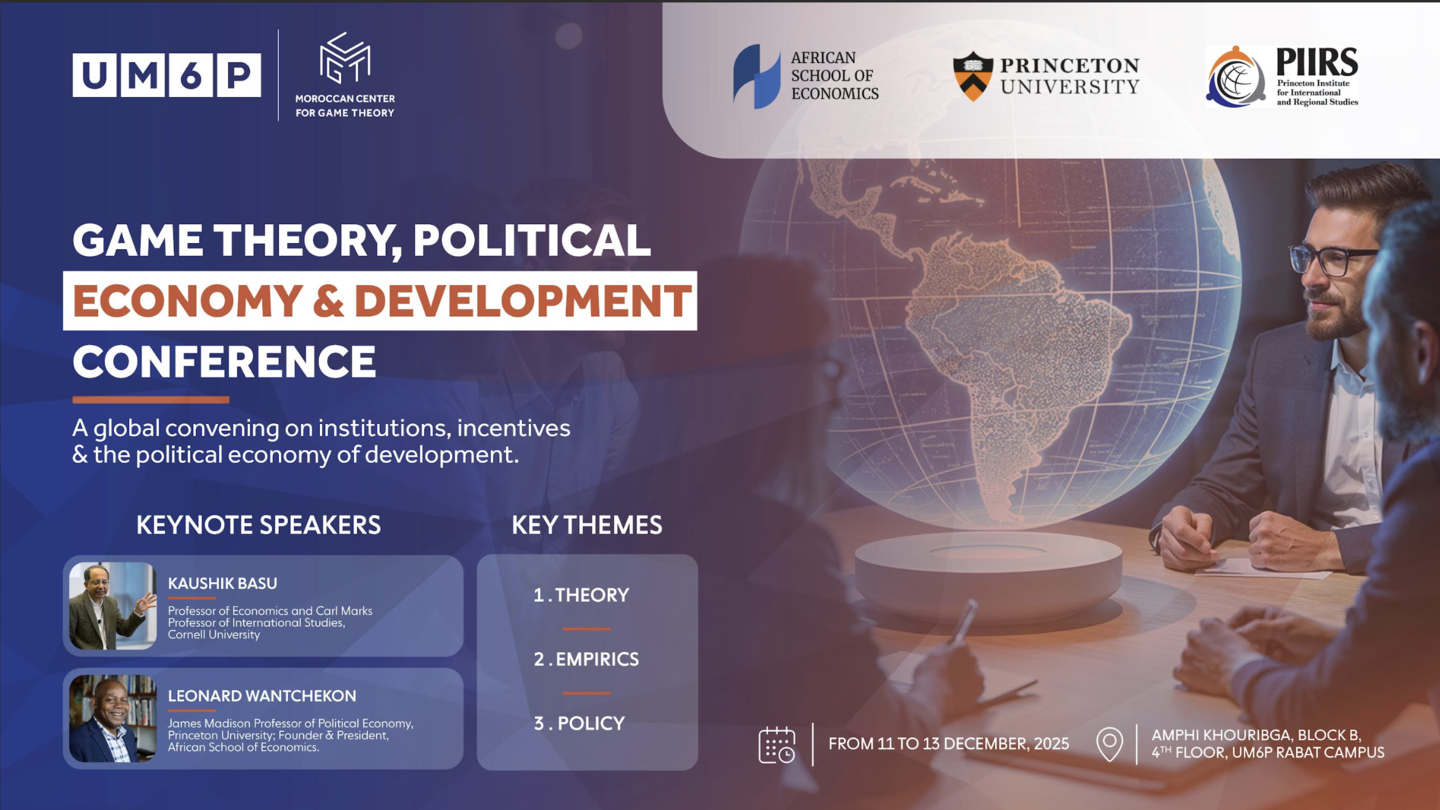
The Princeton - African School of Economics Research (PASER) Hub, Princeton University and the Moroccan Center for Game Theory, UM6P are organizing a conference to explore how game theory and political economy can deepen our understanding of strategic behavior, institutional development, and human capital formation, with a particular focus on African and Global South contexts. The conference examines agency through the lens of strategic interaction: how individuals and groups, situated within institutional structures, pursue objectives and negotiate outcomes based on incentives, constraints, and power dynamics. Drawing on economy theory and empirical analysis, this conference aims to inform and challenge existing theories of institutional evolution, governance and development processes.
While existing political economy scholarship often emphasizes descriptive analyses of institutional failures, there remains limited focus on identifying concrete pathways to build resilient, and effective institutions. In this regard, there is a critical gap in understanding the interplay between institutional structures and the agency of stakeholders — a dynamic underscored in Sen’s (1988) work on social choice. This is particularly evident in the limited engagement between political economy scholars and those very actors (ie. politicians, voters, civil servants, and civil society organizations) that operate within and shape these institutions. To address this imbalance, the research agenda for this conference calls for a systematic study of political institutions with a focus on the role of actors and in building robust partnerships with them.
Methodological Focus & Themes
The conference will bring together a pre-eminent group of researchers and practitioners to highlight recent developments and open challenges. Panel discussions and keynote sessions will be organized around four major themes:
- Session 1 – Theory: Design of Political Institutions
- Session 2 – Empirics: Advances in Institutional Experimentation: Deliberation, political selection and audits in governance
- Session 3 – Policy: Models of engagement between political economy research: political actors and government
Speakers

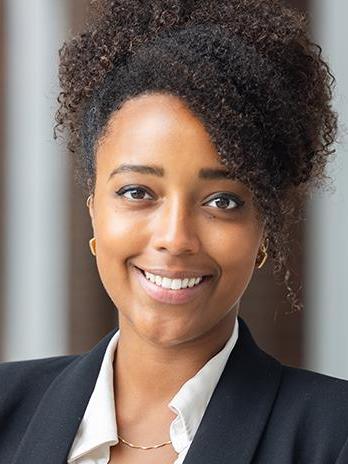
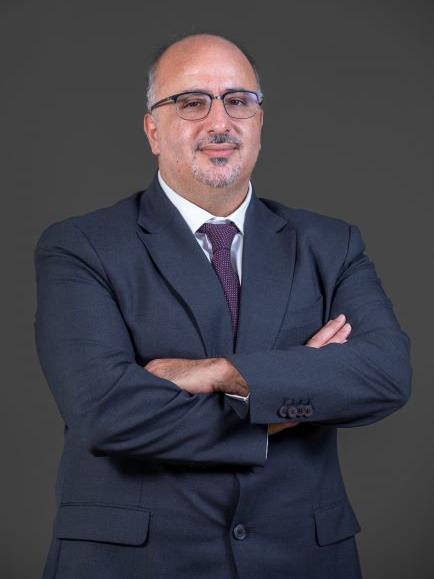
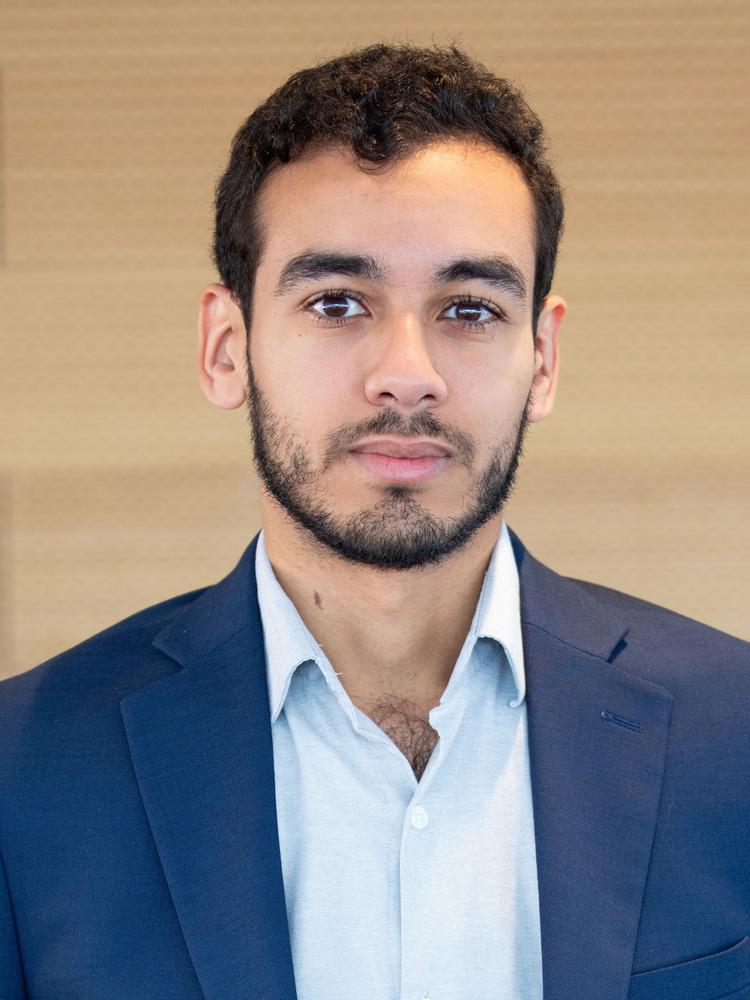


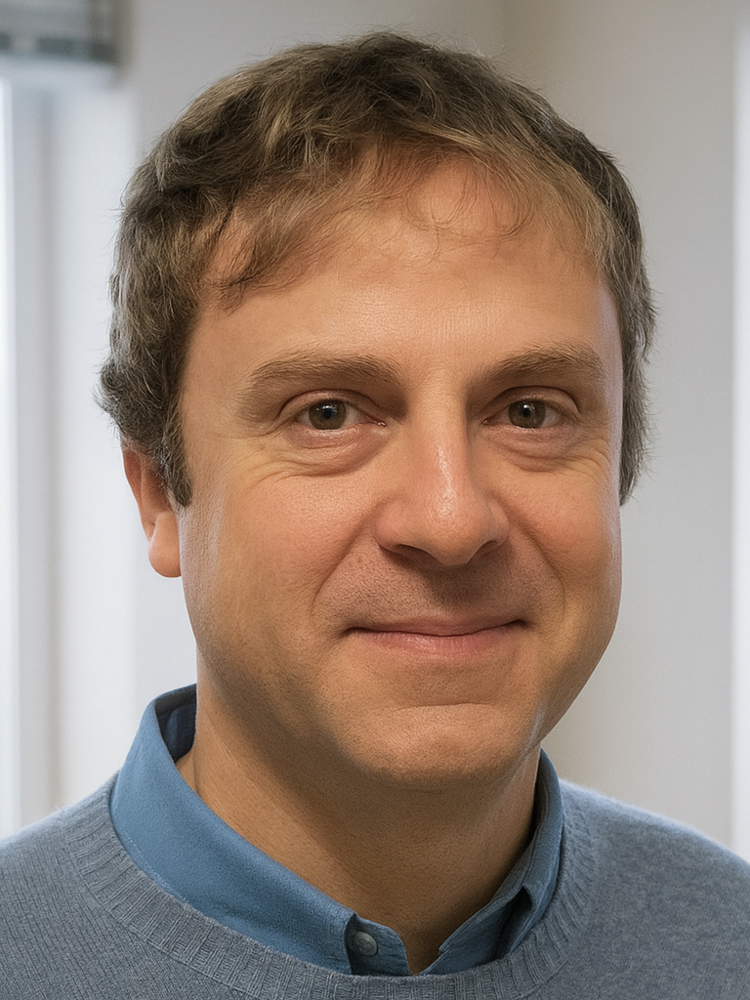
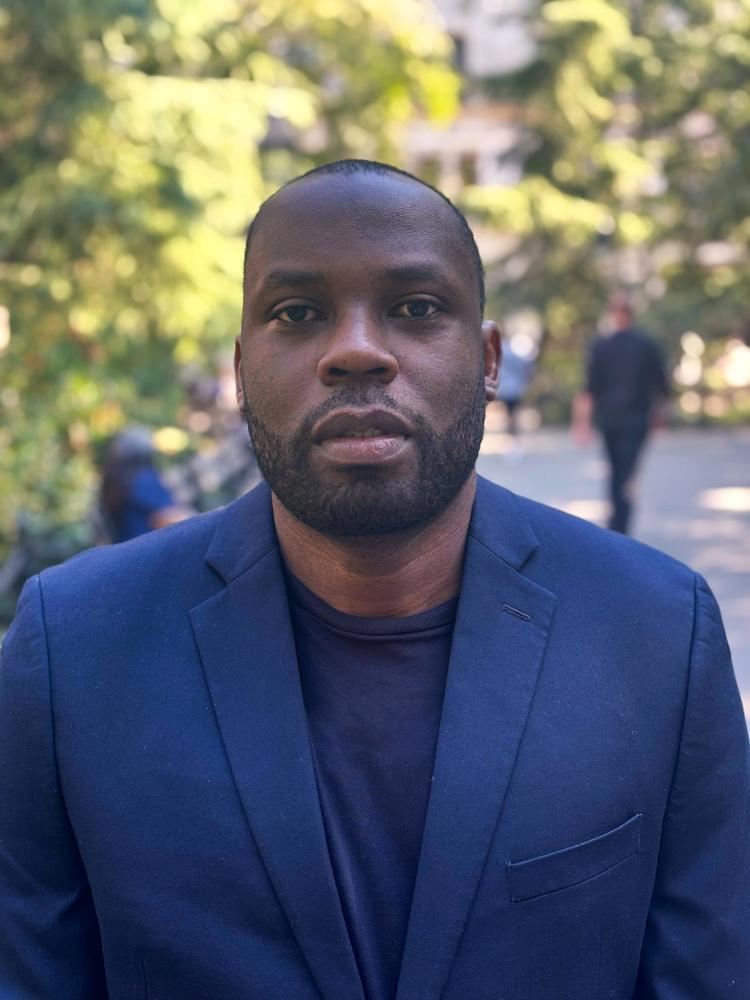


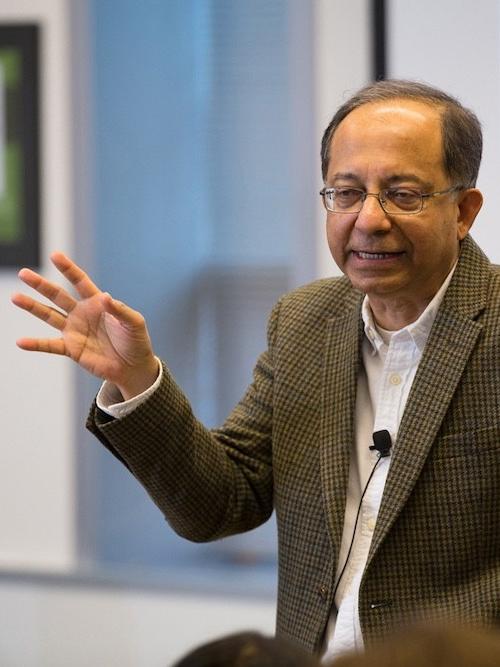
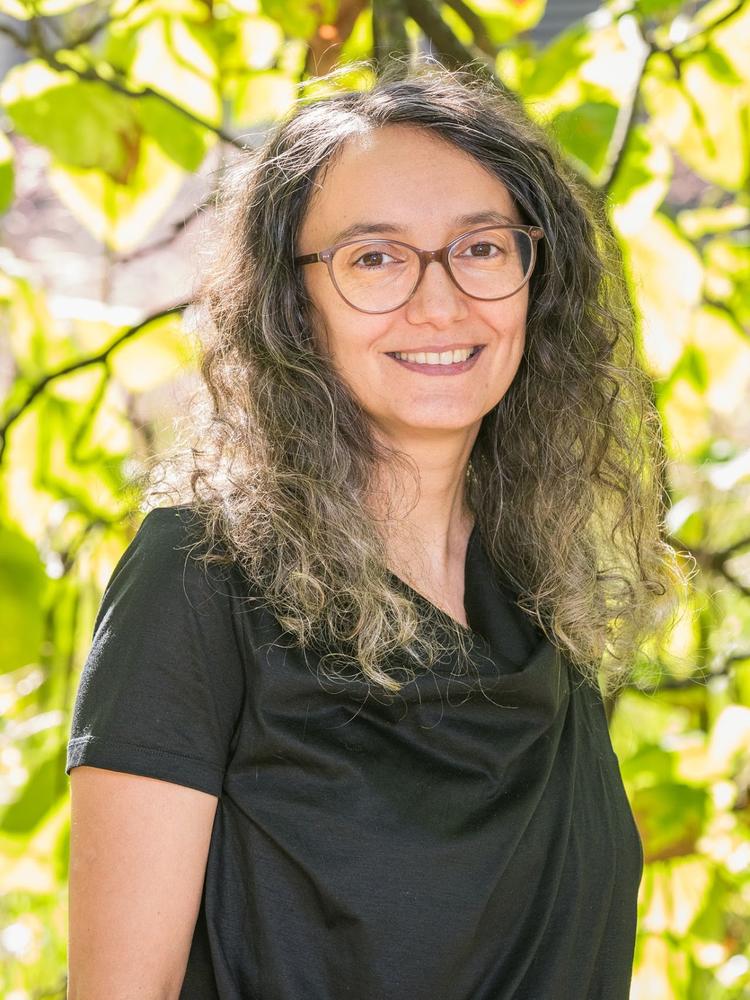
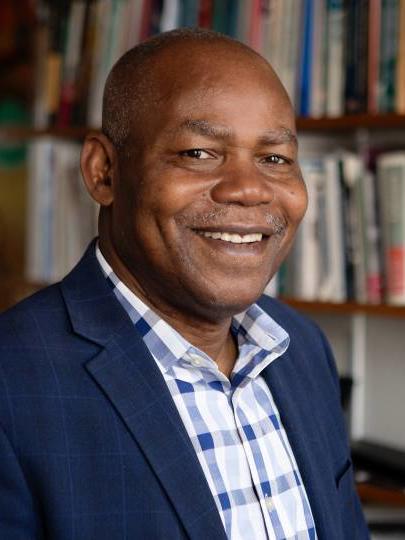
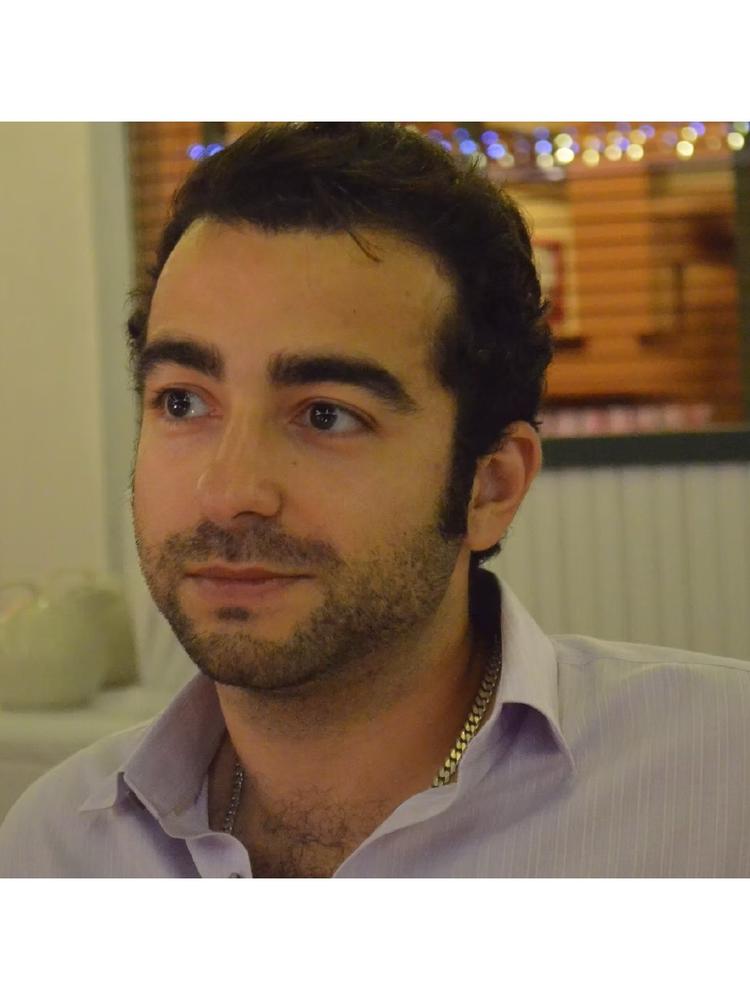

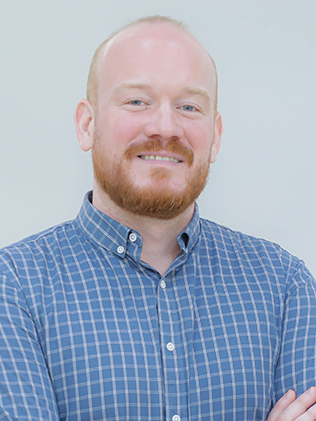
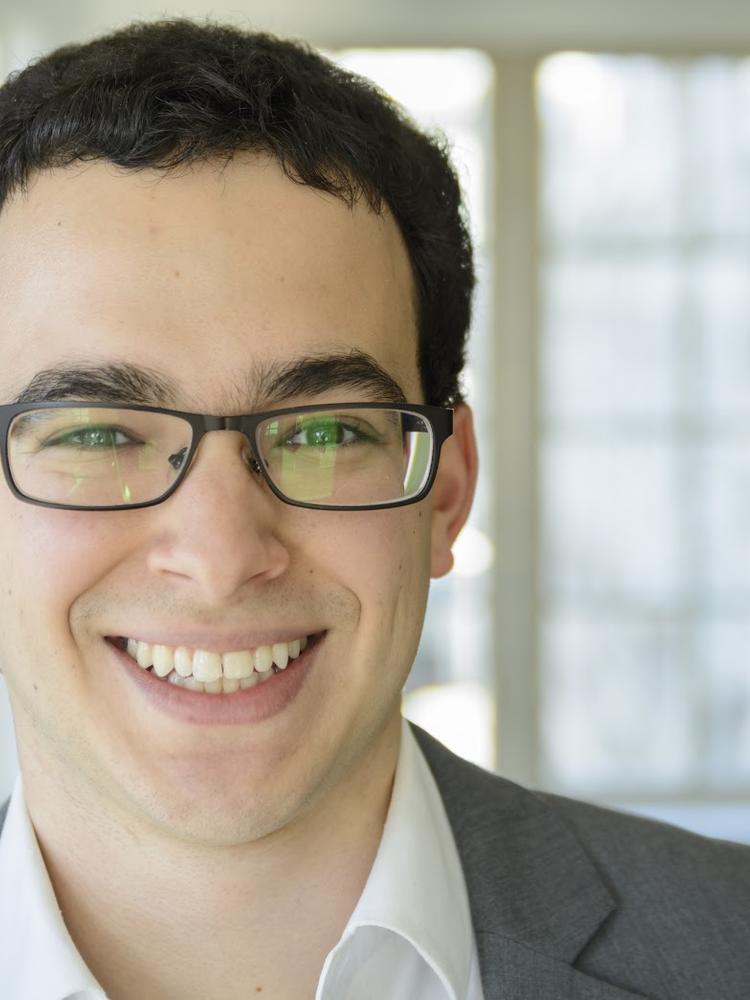
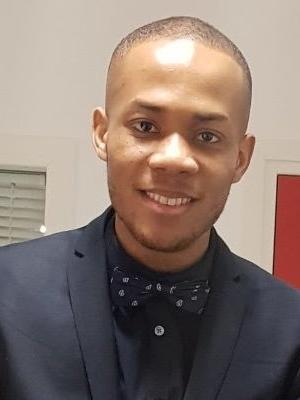
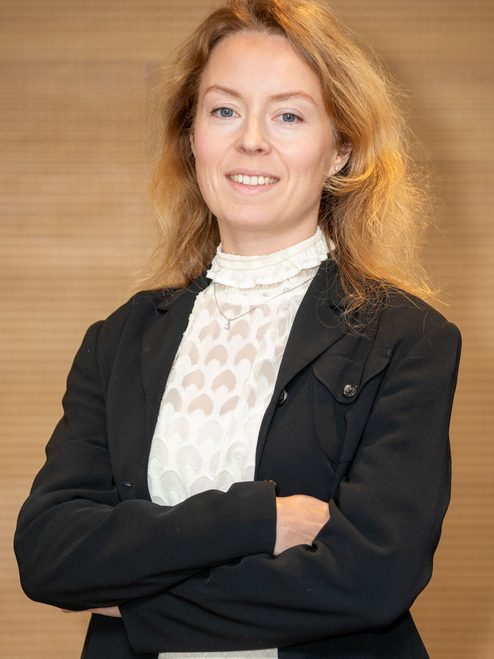
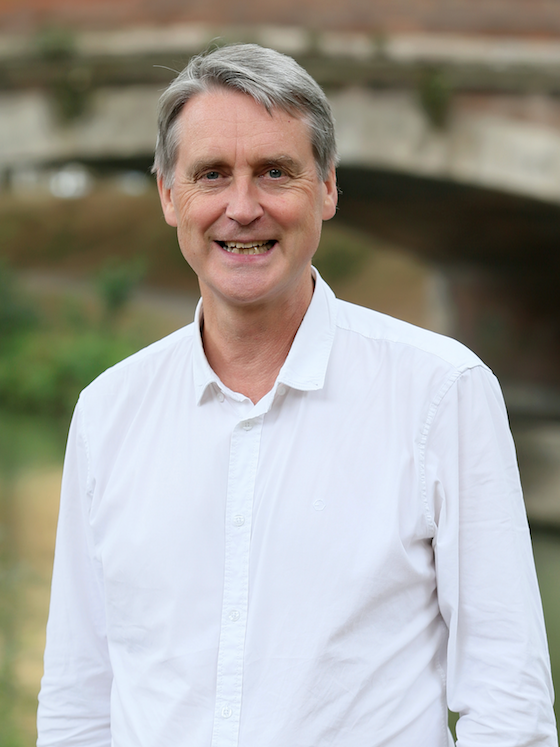

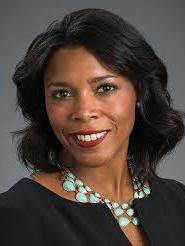

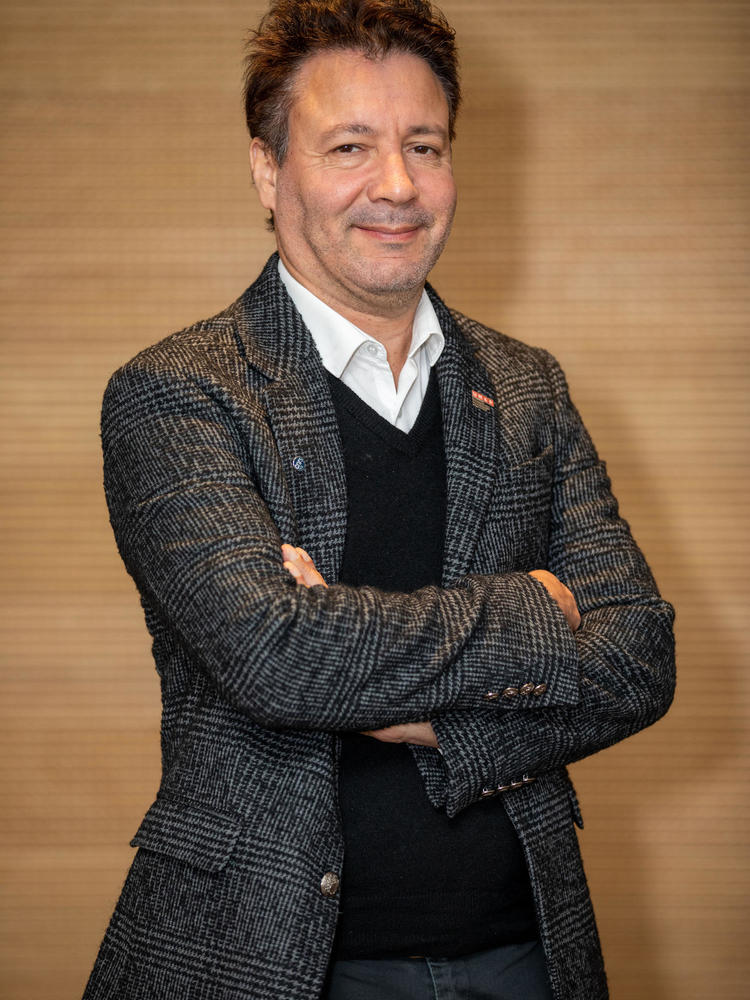
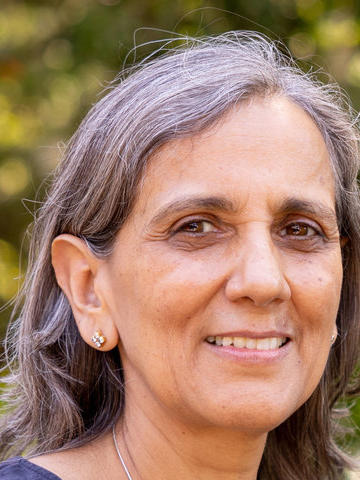
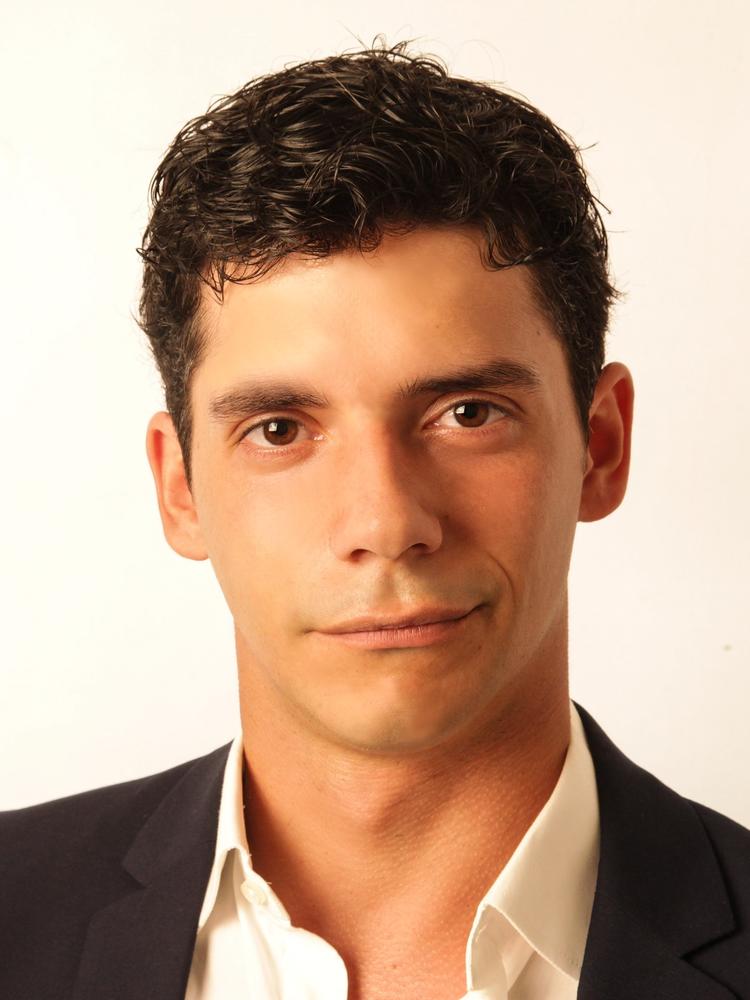
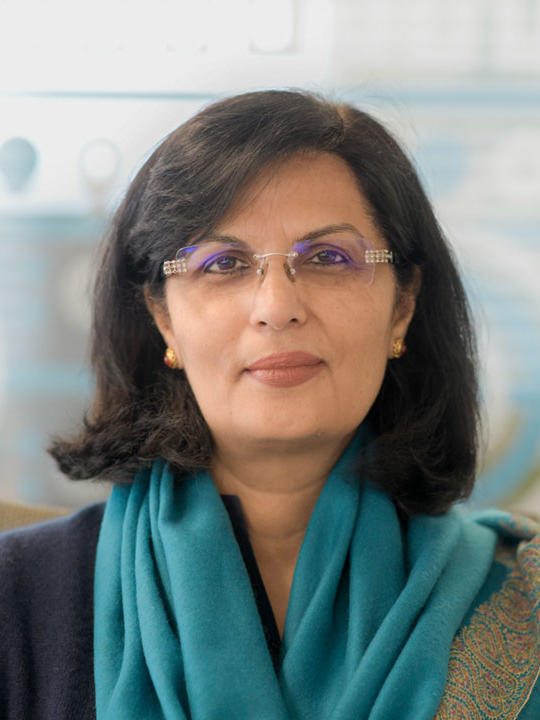
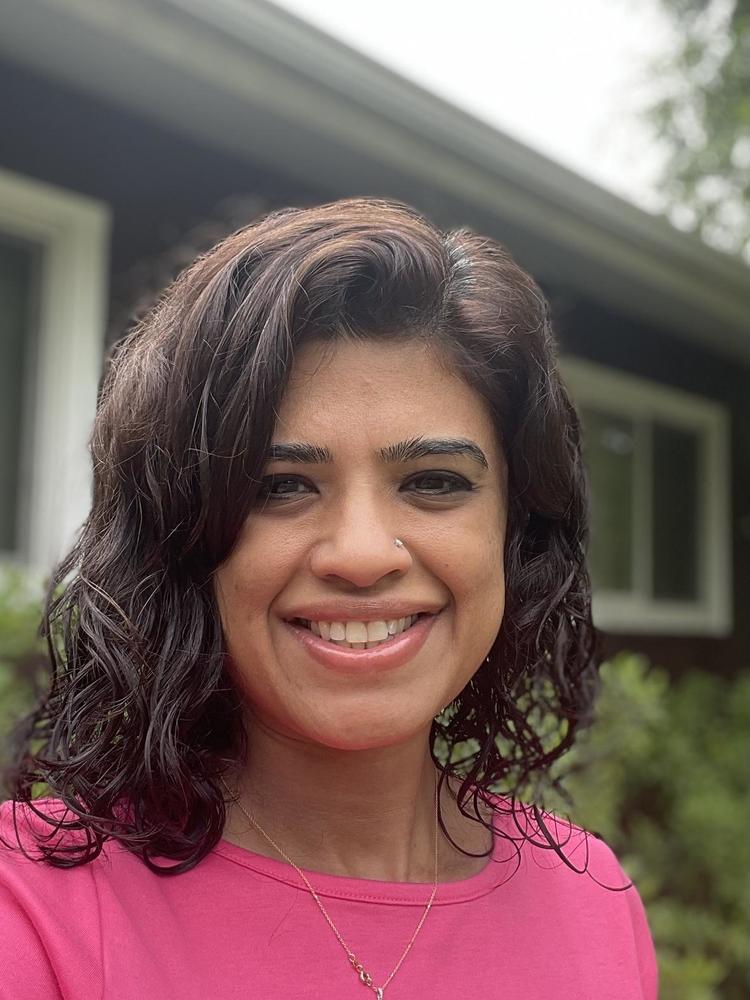

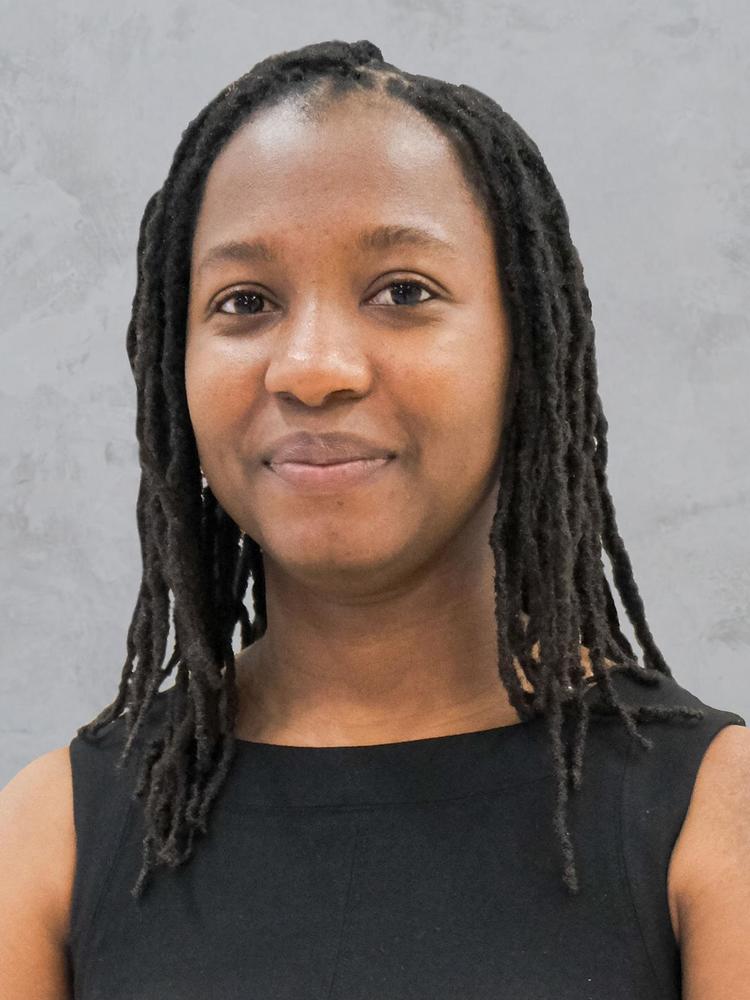
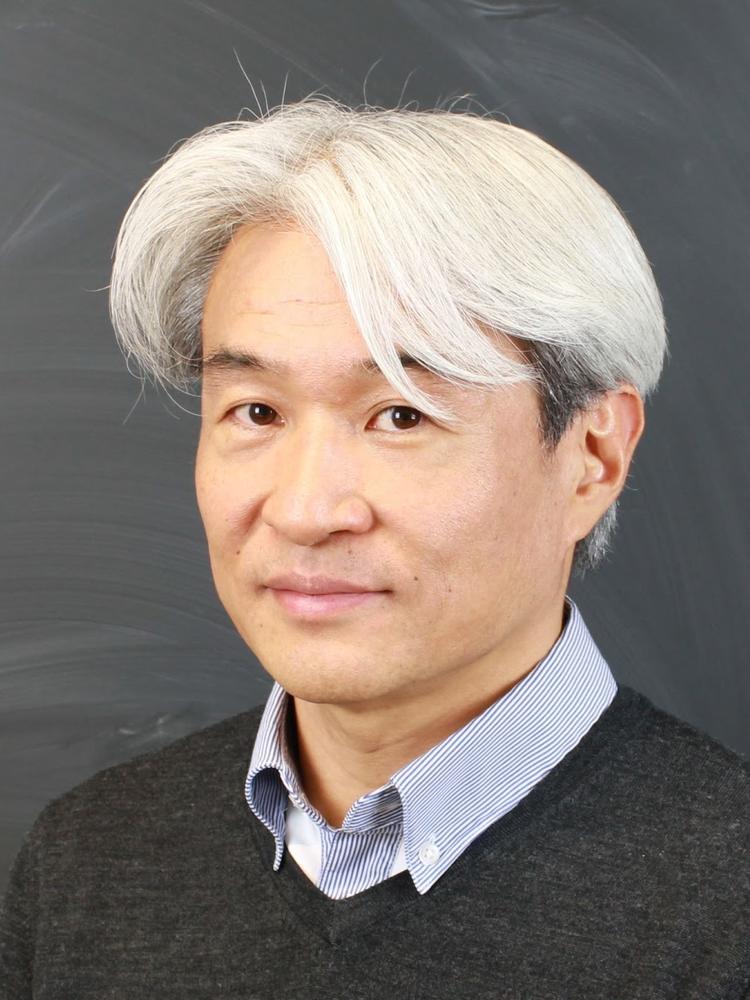

Day 1: Theory (December 11, 2025)
| Time | Session | Speakers |
|---|---|---|
| 9:00 AM – 9:30 AM | Registration | |
| 9:30 AM – 9:40 AM | Opening Remarks | Rida Laraki, Full Professor at Université Mohammed VI Polytechnique (UM6P), Director of the Moroccan Center for Game Theory. Leonard Wantchekon, James Madison Professor of Political Economy, Princeton University; Founder & President, African School of Economics. |
| 9:40 AM - 10:40 AM | Keynote Speech: The Micro-foundations of Authoritarianism | “The Micro-foundations of Authoritarianism” Kaushik Basu, Professor of Economics & Carl Marks Professor of International Studies, Department of Economics, Cornell University. |
| 10:40 AM – 11:00 AM | Coffee Break | |
| 11:00 AM – 12:30 PM | Session 1A | Session Chair: Olga Gorelkina, Assistant Professor in Economics, Africa Business School, UM6P. Speakers: 1.“Efficient Provision of Multiple Public Goods through Private Contributions: An Institutional Edits Approach.” (joint work with Salil Sharma and Leonard Wantchekon), 2. “The Political Economy of Morality Policies: Collective Choice and Denial.” 3. “Rational Deterrence in Internal Armed Conflicts.” |
| 12:30 PM – 2:00 PM | Lunch | |
| 2:00 PM – 3:30 PM | Session 1B | Session Chair: Olga Gorelkina, Assistant Professor in Economics, Africa Business School, UM6P.
Speakers: 1. "Liquid Democracy and Information Aggregation.” 2. “Strategic Disclosure in Networks.” 3.“ Threats to Commitment: Bank Regulation and Governance under Renegotiation Concerns.” |
| 3:30 PM – 4:00 PM | Coffee Break | |
| 4:00 PM – 5:30 PM | Session 1C | Session Chair: Alexey Kushnir, Associate Professor of Economics, Carnegie Mellon University
Speakers: 1.“Coordinating Development Under Political Risk.” (co-authored with Harshal Zalke) 2. “Majority Judgment in Paris Participatory Budgeting: Evidence from the 2022–2023.” 3. “Why Majority Judgement is a Good Voting Method.” |
Day 2: Empirics (December 12, 2025)
| Time | Session | Speakers |
|---|---|---|
| 9:00 AM – 10:30 AM | Session 2A | Session Chair: Bilal Islah, Assistant Professor of Business Economics, Africa Business School, Université Mohammed VI Polytechnique (UM6P).
Speakers: 1.“Bureaucratic Deliberation and Performance: Evidence from a Field Experiment in Benin.”
3.“Multidimensional Learning in Committee Deliberations.” |
| 10:30 AM – 11:00 AM | Coffee Break | |
| 11:00 AM – 12:30 PM | Session 2B | Session Chair: Bilal Islah, Assistant Professor of Business Economics, Africa Business School, Université Mohammed VI Polytechnique (UM6P).
Speakers: 2.“Rolling Back Subsidies, Rolling in the Unrest? Social Policy Reform and Civil Unrest in Iran.” Moritz Schmoll, Assistant Professor in Political Science, Université Mohammed VI Polytechnique (UM6P). 3. "Moral Violence: At the Heart of Congo’s Major Militia.” |
| 12:30 PM – 2:00 PM | Lunch | |
| 2:00 PM – 3:30 PM | Session 2C | Session Chair: Amrita Dhillon, Professor of Economics, King’s College London.
Speakers: 2. “Les Agoudas: Pre-colonial Business Networks and Intergenerational Mobility of Liberated Returnees.” (co- authored with Leonard Wantchekon) 3. “Culture, Institutions, and Gold Mining Booms: Theory and Evidence from Burkina Faso” |
| 3:30 PM – 4:00 PM | Coffee Break | |
| 4:00 PM – 5:30 PM | Session 2D | Session Chair: Amrita Dhillon, Professor of Economics, King’s College London.
Speakers: 1."Public Policy in the Presence of Social Norms.” 2.“When Democracy Refuses to Die: Evaluating a Training Program for New Politicians" (joint with Ernesto Dal Bó,Frederico Finan, and Pedro Pessoa) 3. “Mining and the Transformation of Conflict and Social Unrest in Africa.” |
| 7:30 PM – 9:30 PM | Formal Conference Dinner |
|
Day 3: Policy (December 13, 2025)
| Time | Panel | Speakers |
|---|---|---|
| 9:00 AM – 10:30 AM | Panel 3A: Institutions and Development | Paul Seabright, Professor of Economics, Toulouse School of Economics (TSE). Youssef Farhat, Deputy Budget Director, Ministry of Economy & Finance, Kingdom of Morocco. |
| 10:30 AM - 11:00 AM | Coffee Break | |
| 11:00 AM – 12:30 PM | Panel 3B: Service Delivery & Local Governance | Stuti Khemani, Senior Economist, Development Research Group, The World Bank. Sania Nishtar, CEO, Gavi, The Vaccine Alliance; Former Senator, Pakistan. Moderated by: Anas Lahlou, Operation Director of the Chair, Industrial Economy & the Emergence of Africa, UM6P. |
| 12:30 PM – 2:00 PM | Lunch | |
| 2:00 PM – 3:30 PM | Session 3C: Finance and Development | 1.“Exporters and Labor Market Outcomes: Evidence from Egypt Using Census Data.” 2.“Short-term Finance, Long-term Effects.” 3.“Financial System and Institutional Dynamics in Morocco.” Moderated by: Ahmed Tritah, Professor of Economics, Université |
| 3:30 PM - 4:30 PM | Poster Session: Game Theory, Political Economy & Development | Julio Solis Arce, PhD. Candidate, Harvard University. Yabo Vidogbena, Postdoctoral Fellow, University of Pennsylvania. Rethis Gansey, PhD. Candidate, Princeton University. Joshua Limpert, PhD. Candidate, Princeton University. Elena Istomina, Postdoctoral Scholar, UM6P & Princeton University. Sanae ben Mansour, PhD. Candidate, UM6P. |
| 4:30 PM – 5:30 PM | Keynote Speech: Future Directions in Political Economy Research | Leonard Wantchekon, James Madison Professor of Political Economy, Princeton University; Founder & President, African School of Economics. |
| 5:30 PM – 5:50 PM | Closing Remarks | Rida Laraki, Full Professor at Université Mohammed VI Polytechnique (UM6P), Director of the Moroccan Center for Game Theory.
|
Organizing Committee
Leonard Wantchekon, James Madison Professor of Political Economy, Princeton University; Founder & President, African School of Economics
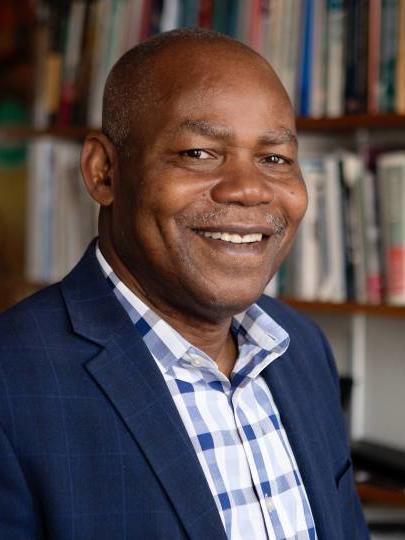
Rida Laraki, Full Professor at Université Mohammed VI Polytechnique (UM6P), Director of the Moroccan Center for Game Theory
Getting to UM6P Rabat Campus
1. Getting to Rabat
Rabat-Salé Airport (RBA)
- Closest airport to the city (≈ 30 minutes).
- Taxis and Bus AE available outside the arrivals terminal.
- Official fare lists are displayed inside the airport hall and taxi parking area.
Casablanca Mohammed V International Airport (CMN)
- Approximately 1.5 hours from Rabat.
- Direct trains to Rabat depart every hour.
- Tickets available online (ONCF website) or at the station.
- Approximate ticket price: 120 MAD.
Tangier Ibn Battouta Airport (TNG)
- Around 3 hours from Rabat.
- Most convenient option: go to Tangier train station and take the high-speed train (TGV) to Rabat.
2. Airport Taxi Routes & Approximate Fares
| Route | Day Fare | Night Fare |
|---|---|---|
| Rabat Airport → Downtown Rabat | 150 MAD | 250 MAD |
| Casablanca Airport → Downtown Casablanca | 250 MAD | 300 MAD |
| Tangier Airport → Tangier Train Station | 120 MAD | 180 MAD |
Exchange rate: 1 € ≈ 11 MAD
Coordination & Logistics
For local support, contact [email protected]